Understanding labor exploitation
What is Labor Exploitation?
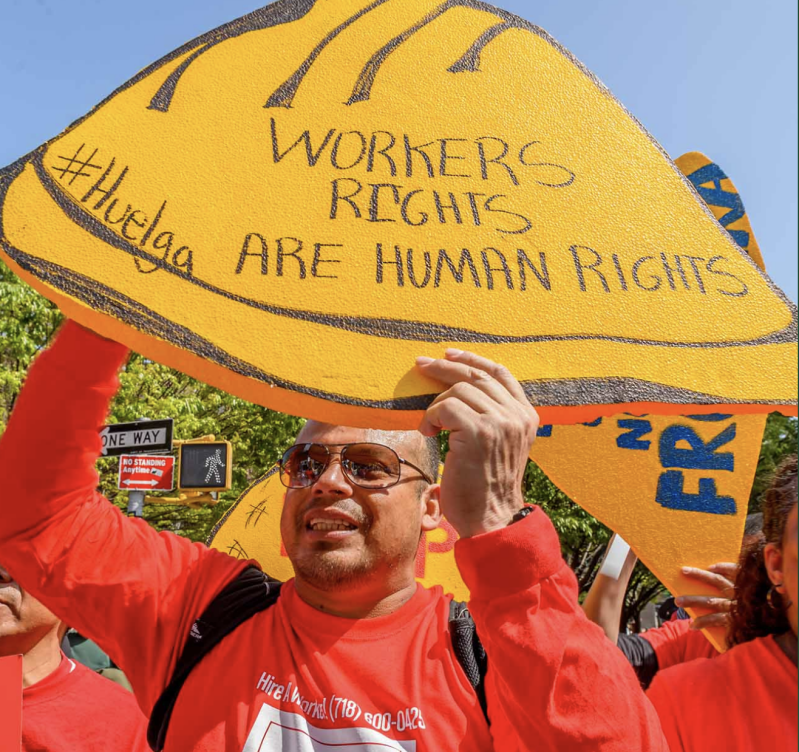
Labor exploitation involves the misuse of power to take unfair advantage of workers. Examples listed include:
- Lack of control over earned wages.
- Fraudulent recruitment practices that result in wages withheld to pay off debts owed to the employer.
- Poor living conditions.
- Workplace injuries
- Physical and psychological abuse
- Systemic racism
Types of Labor Exploitation

Wage Theft
Occurs when employers fail to pay workers the wages they worked for

Forced Labor
Employers use immigration status as a tool for coerced labor

Child Labor
Migrant minors may be forced to work to make money for their families

Hazardous Working Conditions
Undocumented workers may be assigned to dangerous jobs and environments
Certain risk factors make individuals more vulnerable to forced labor than others:
- Unstable immigration status
- Language barriers
- Poverty and lack of basic needs like food, shelter, and safety
- Lack of social support systems like friends, family, and community
Industries such as construction, manufacturing, domestic work, agriculture, and the food industry are the most common places for labor exploitation to occur

How does this occur?
Many immigrants within the United States workforce work low-wage jobs in agriculture, construction, food service, domestic work, and day labor. Many workers rely on these jobs to provide for their families, as it's their only path to financial stability. This reliance on jobs strengthens the power imbalance, allowing employers to exploit workers.
Laws enacted, such as the Immigration Reform and Control Act (IRCA) of 1986, looked to control immigration in the past. Under this law, border enforcement was increased, and it became illegal for employers to knowingly hire undocumented immigrants. To avoid these regulations, many employers looked to hire immigrants as independent contractors. In these cases, employers were able to hire workers for lower wages without basic labor protections.
The Illegal Immigration Reform and Immigrant Responsibility Act of 1996 (IIRAIRA) was later enacted to further contorl immigraiton into the United States and strengthen the legal reprecautions for illegal entry. To keep labor cheap, employers exploit the vulnurbailites of undocumented immigrants by using the threat of deportation to keep workers quiet about wokrplace abuse.
Many workers rely on these jobs to provide for their families, causing them to endure physical pain and psychological distress. Due to the hidden forms of exploitation, undocumented workers are particularly vulnerable to wage theft as they are often the least likely to report violations due to fear of retaliation, job loss, or exposure of their immigration status (U.S. Department of Labor)
"In 2023, nearly six out of every 100,000 foreign-born Latino workers suffered a fatal workplace injury," according to the Institute for Policy Studies' analysis of Bureau of Labor Statistics data
- Immigrants tend to take the most dangerous jobs as they're limited by numerous languages and socioeconomic barriers
- As seen in the graph on the right, Latino immigrants have a workplace fatality rate of 5.67 per 100,000 workers, while US workers have a rate of 3.16 per 100,000 workers


- While all US occupations make over 60K a year, undocumented workers make far less
- Around 15.1% of immigrant workers make less than 30K a year
Maquilapolis (2006), dir. by Vicky Funari and Sergio De La Torre
This documentary highlights the challenges women faced as factory workers in Tijuana as they worked to advocate against extreme labor exploitation.
How to address labor exploitation according to the U.S. Department of Labor
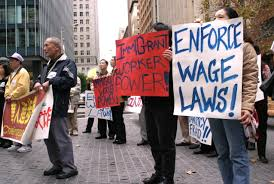
- Enforcing Labor Protections
- Deferred Action: A Department of Homeland Security (DHS) policy allows workers who witness or are victims of labor violations to apply for "deferred action," which provides temporary protection from deportation and eligibility for work authorization.
- Assisting Survivors
- Monitoring Trafficking Internationally
Why is this Important?
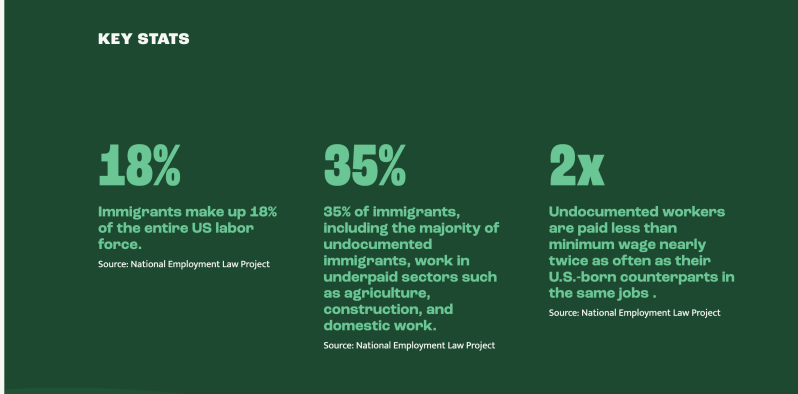
Immigrants make up 18.1 percent of the U.S. workforce, filling essential roles in our communities and driving economic growth and employment. Despite their contributions and impact, immigrant workers often experience exploitation and discrimination on the job. This can take the form of wage theft, being exposed to dangerous conditions without necessary protections, being denied opportunities for advancement, and facing employer retaliation if workers speak out. About half of all working immigrants report they have experienced discrimination in the workplace and undocumented workers are particularly vulnerable to exploitation because of their status.
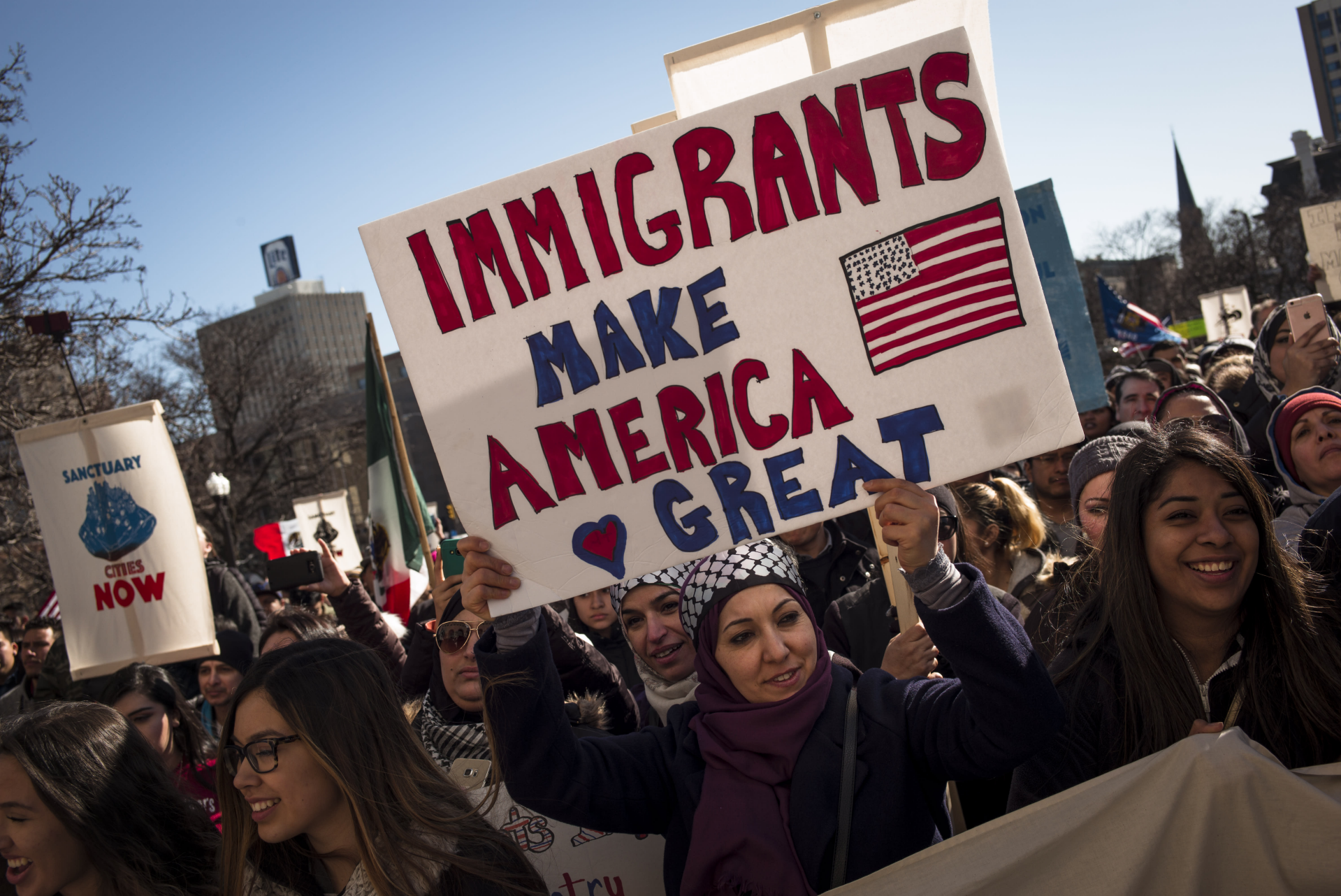
Protecting the rights of all workers has an enormous ripple effect. Communities are stronger when their members are able to work with dignity, provide for their loved ones, and prosper.


