Wisconsin Farm Workers
Wisconsin Dairy is at its Breaking Point
Wisconsin Dairy relies heavily on immigrant labor.
Most of the work is done by people from Latin America, many of whom are undocumented. As ICE activity increases, the industry and the workers who sustain it are facing a crisis. Without reform, Wisconsin's dairy economy faces long-term instability.


Who are the workers?
Most dairy workers in Wisconsin come from Mexico and Latin America, and many arrive without legal status or any pathway to obtain it. They take on difficult, year‑round jobs that are hard to fill with U.S.-born workers, becoming essential to the industry. Their earnings support families both in Wisconsin and in their home countries, making their labor vital not only to local farms but also to communities across borders.
Life and Work on Wisconsin Dairy Farms
Daily Responsibilities:
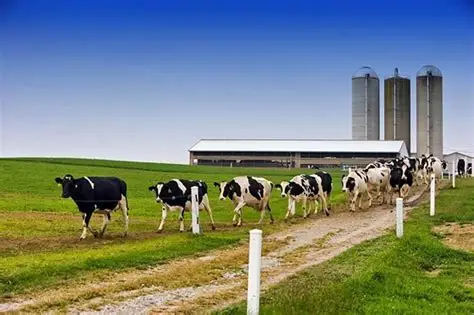
Dairy workers take on a range of daily responsibilities that keep farms operating smoothly. Their work includes milking cows, feeding animals, and cleaning barns to maintain healthy conditions for the herd. They also handle tasks like maintaining equipment and facilities, making sure everything stays functional in a job that runs every day of the year.
Working Conditions:
Working conditions on dairy farms are extremely demanding. The labor is physically intense and continues year‑round, since cows must be milked every single day with no off‑season. Workers often face long hours, early mornings, and overnight shifts that leave little room for rest. Many also live directly on the farms, where isolation and limited connection to the outside world add to the strain of the job.
Why Workers Come:
Many dairy workers come to Wisconsin because they are seeking stable, reliable employment that they cannot find in their home countries. Dairy farming offers steady, year‑round income, unlike seasonal crop work that ends after a few months. For many, the chance to earn consistent wages and support their families makes the difficult journey and demanding work feel like their best available option.


Legal Vulnerability and Daily Risk
Lack of Legal Status:
Many dairy workers in Wisconsin live with the constant challenges that come from being undocumented. Without the ability to obtain a driver’s license, even the simple act of driving to work can put them at risk of detention or deportation. Despite being essential to year‑round dairy production, there is no long‑term legal pathway available to them, leaving workers in a state of ongoing uncertainty and vulnerability.
Fear and Insecurity:
Many dairy workers live with a constant sense of fear and insecurity because of the threat of immigration enforcement. The possibility of ICE activity leads many to avoid leaving the farms where they work, limiting their willingness to interact with authorities or report abuse. Even ordinary activities, such as shopping for groceries, commuting to work, or taking their children to school, can become dangerous, forcing workers to navigate daily life with caution and anxiety.
The Manitowoc ICE Raid
What Happened:
During the raid, workers were arrested suddenly, including at the carpool spots where they gathered before heading to work. The operations happened without warning, creating widespread fear about what might come next and leaving many in the community uncertain about their safety and stability.
Immediate Impact:
The immediate impact of the raid was devastating for families. Many had no idea where their loved ones were taken, and some workers were deported within just a few days. Others effectively “disappeared” from their families’ perspectives because they were rapidly transferred between facilities, leaving relatives with no information and no way to reach them.
Community Aftermath:
In the aftermath of the raid, many workers stayed home from their jobs, afraid to be seen in public or risk further enforcement actions. People avoided public spaces and even essential services like healthcare, creating a sense of paralysis across the community. Farms were suddenly left without enough labor to operate normally, highlighting how deeply the local dairy industry depends on these workers and how disruptive the raid was for everyone involved.
Impact on Families:
The impact on families was immediate and overwhelming. Children and spouses were left without information, unsure of where their loved ones had been taken or how to reach them. Many households suddenly lost the income they depended on, creating financial strain on top of the confusion. The abrupt separations left lasting emotional stress, and the possibility of future raids now influences how families move through their daily routines.

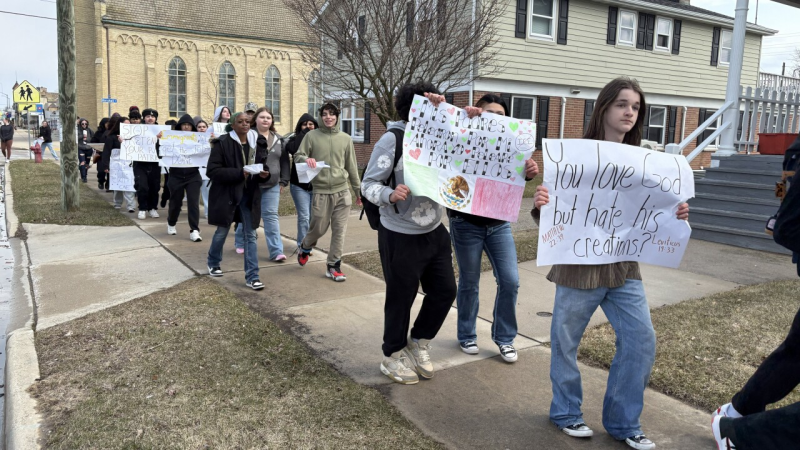
Dozens of students gathered outside of Manitowoc's Lincoln High School on Wednesday to protest ICE actions.

Labor Conditions and Vulnerability:
Exploitation Risks:
Many dairy workers face significant risks of exploitation because of the conditions surrounding their employment. Some experience poor or unsafe working environments, and the fear of deportation often prevents them from reporting abuse or unsafe practices. Their reliance on employers for housing, transportation, and basic necessities leaves them especially vulnerable to mistreatment.
Evidence of Labor Trafficking:
There have been reports of coercive labor conditions on some farms, raising concerns about labor trafficking. The lack of legal status makes undocumented workers particularly susceptible to exploitation, as they have few protections and limited ability to seek help when abuses occur.
Why Does Wisconsin Depend on Undocumented Labor?
Labor Shortage:
Farmers across Wisconsin struggle to find enough U.S.-born workers willing to take on dairy jobs, which are demanding, rural, and largely unseen by the public. Immigrant labor fills the essential roles that keep farms operating every day, making these workers central to the stability of the dairy industry.
Economic Importance:
Wisconsin produces more than a quarter of all U.S. cheese, so disruptions in the dairy workforce have statewide and national consequences. Losing experienced workers can interrupt supply chains, stall processing lines, and cause farms to miss important contracts. State leaders, including Governor Tony Evers, have warned that removing undocumented workers could severely harm Wisconsin’s economy because of how deeply the industry depends on their labor.


Policy Gaps and Structural Problems
Visa Limitations:
The main agricultural visa available in the United States, the H‑2A program, is designed only for seasonal work. Because dairy farming operates year‑round, dairy workers do not qualify for this visa category. Wisconsin has only about 2,800 H‑2A workers in total, a number far too small to meet the ongoing labor needs of the state’s dairy industry.
No Legal Pathway:
There is currently no federal program that provides a legal pathway for year‑round dairy labor, even though these workers are essential to the industry. These workers are essential but legally unprotected
State vs. Federal Tension:
Immigration enforcement activity has increased across the Midwest, and Wisconsin officials are closely monitoring how these actions affect workers, families, and farms. This has created ongoing tension between state leadership and federal immigration authorities, reflecting broader disagreements about how immigration policy should be handled in agricultural states.
“How in the hell will we continue to be the Dairy State with no one to milk the cows and do the other important work?”
Governor Tony Evers