Seeking Asylum in the United States
What is Asylum?
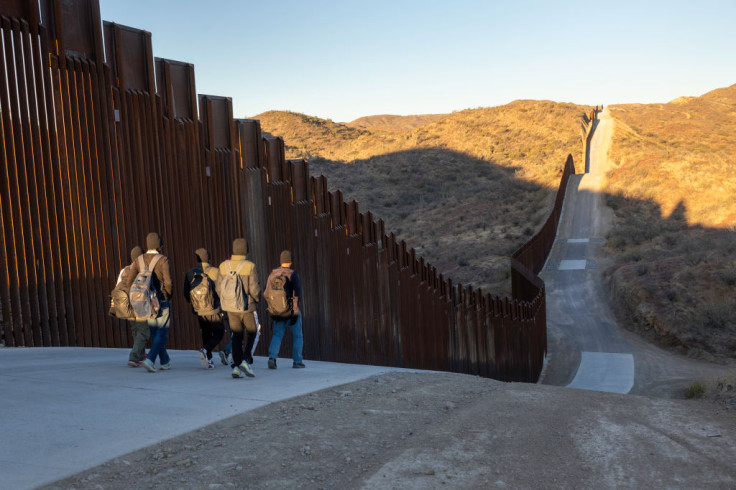
Asylum is a form of legal protection for people who are physically in the United States or arriving at a U.S. port of entry who cannot return to their home country because they face a well-founded fear of persecution.
Persecution must be connected to race, religion, nationality, political opinion, membership in a particular social group, and tied to a specific, targeted harm.
Asylum is not automatic permission to stay; it is a legal process with strict requirements.
Who can seek asylum?
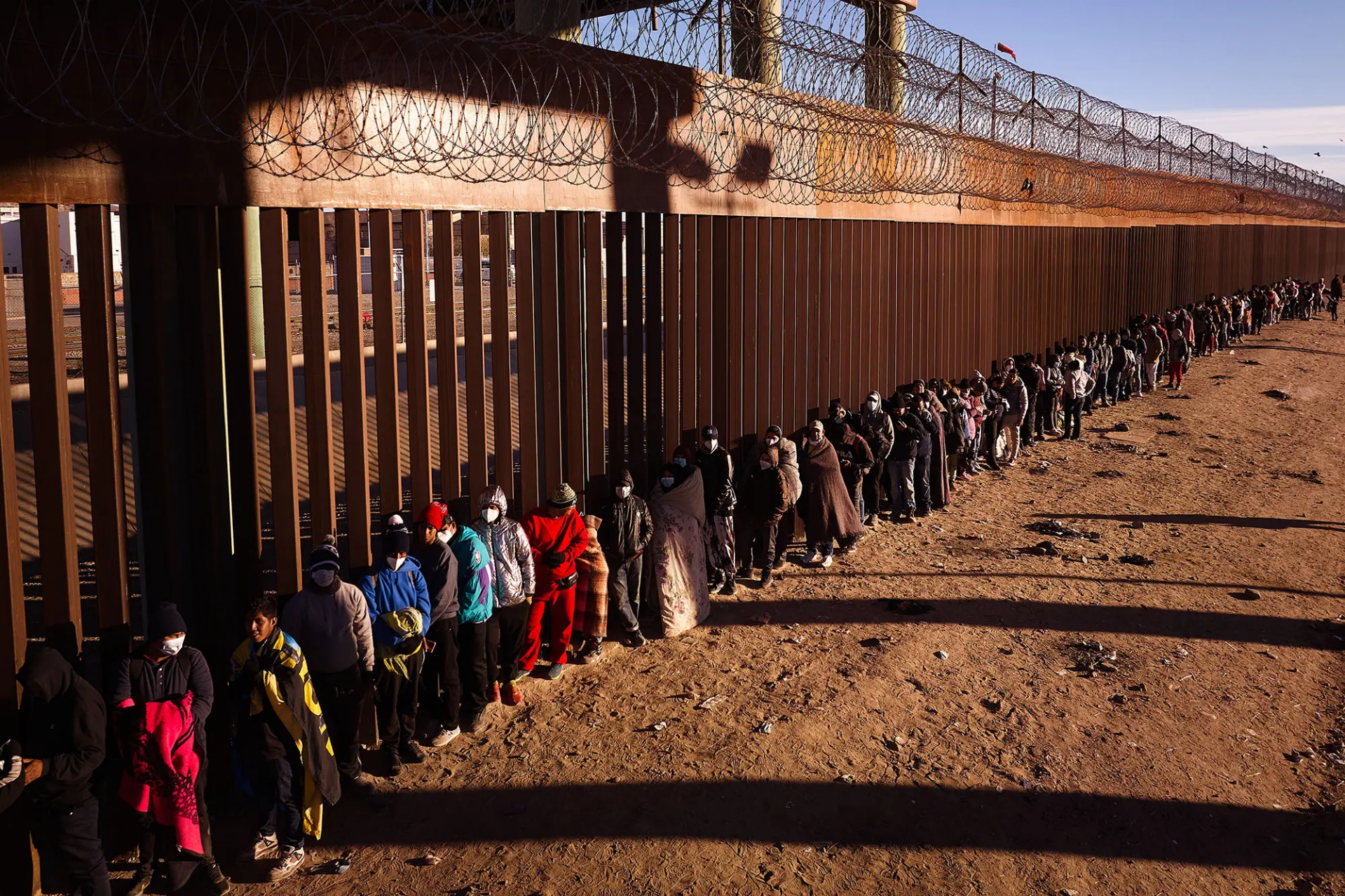
To qualify for asylum, a person must already be in the United States or at a U.S. border crossing or airport. They need to show that they have a credible fear of persecution based on one of the protected grounds, such as race, religion, nationality, political opinion, or membership in a particular social group. Applicants also must file their asylum application within one year of arriving in the U.S., unless they qualify for one of the limited exceptions.
How the process works:
Affirmative Asylum:
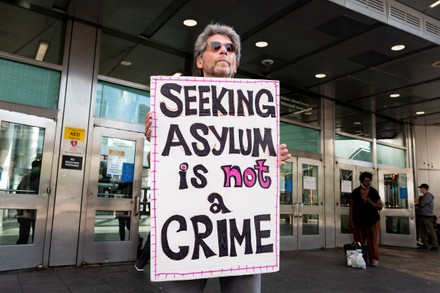
Affirmative asylum is filed directly with USCIS by people who are not in deportation proceedings. The process is centered on an interview with an asylum officer, where applicants explain their story and provide supporting evidence. If the officer cannot approve the case and the applicant has no legal status, the case is sent to Immigration Court for a judge to review.
Defensive Asylum:
Defensive asylum is filed in Immigration Court as a response to deportation. This usually happens when someone is detained at the border or when an affirmative case is denied and referred to court. A government attorney argues against the applicant, and an immigration judge makes the final decision.
After Applying:
After applying for asylum, people may attend interviews or court hearings depending on their case type. The government reviews their evidence, testimony, and credibility to determine whether they qualify for protection. In the end, an asylum officer or judge either grants asylum or denies the case, with some applicants able to appeal or continue their case in court.
Current Policy & Restrictions:
Temporary Nationwide Pause:
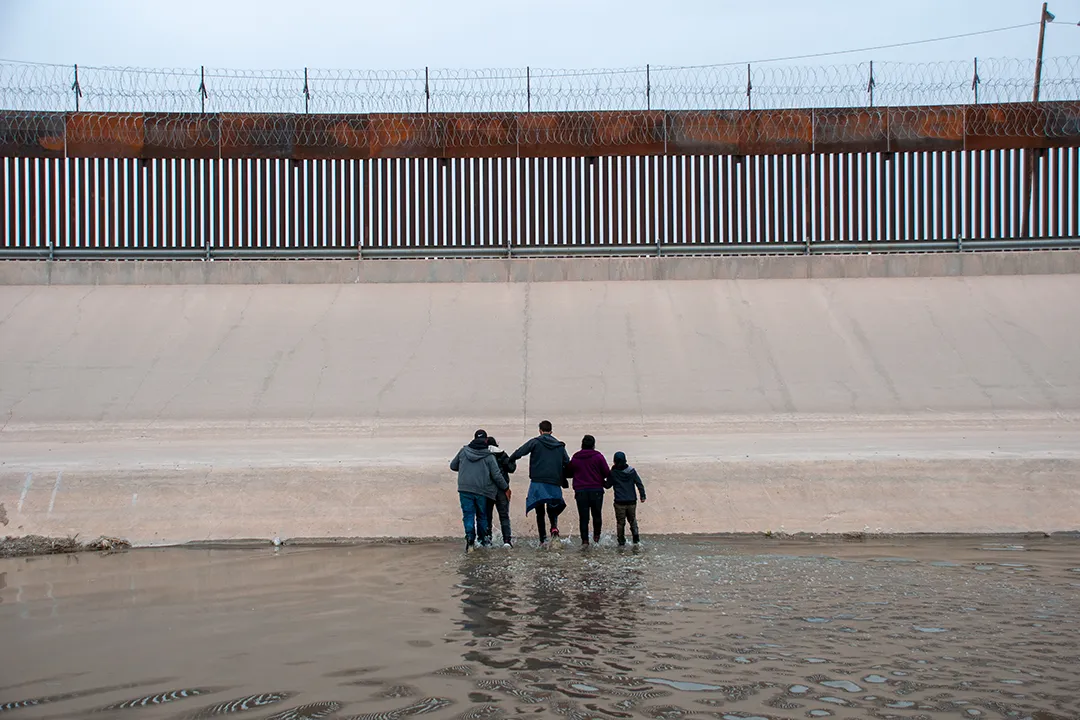
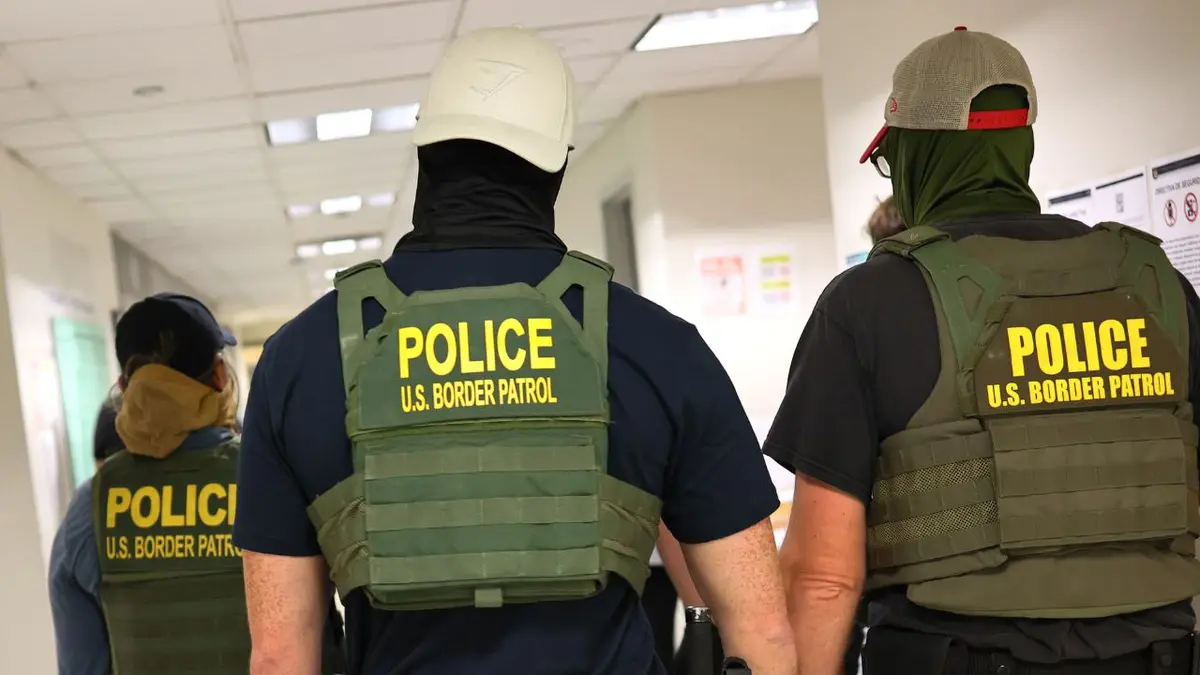
A temporary nationwide pause on asylum processing was triggered after a violent incident involving National Guard members and an asylum seeker. In response, the government halted adjudications to review security procedures and reassess how applicants are vetted.
Partial Resumption:
USCIS has since restarted processing for people from lower‑risk countries and for applicants who clear additional security screenings. While some cases are moving forward again, the pace is slower and more selective than before the pause.
Ongoing Restrictions:
Despite the partial restart, many countries remain paused or heavily restricted, and the government has not clearly defined what counts as “high‑risk.” As a result, processing remains uneven and case‑by‑case, with longer wait times and continued uncertainty for many applicants.
Challenges of the Asylum System:
The System:
The asylum system is complex, backlogged, and extremely difficult to navigate without legal help. Cases often move slowly, with many applicants waiting five to seven years for a decision. The standards are also strict; people must fit a narrow legal definition of persecution, which makes approval challenging even for those fleeing real danger.
Work & Financial Hardship:
Asylum seekers face long periods without income because they must wait 180 days after applying before they can request a work permit. During this time, many rely on family, friends, or community support to survive. The lack of legal work options also increases the risk of labor exploitation, especially in low‑wage industries.
Limited Government Support:
Most asylum seekers are not eligible for federal benefits such as food stamps, cash assistance, or Social Security programs. Instead, support typically comes from nonprofits, local shelters, and community organizations that help fill the gaps while people wait for their cases to move forward.
Conditions at the Border in Mexico:
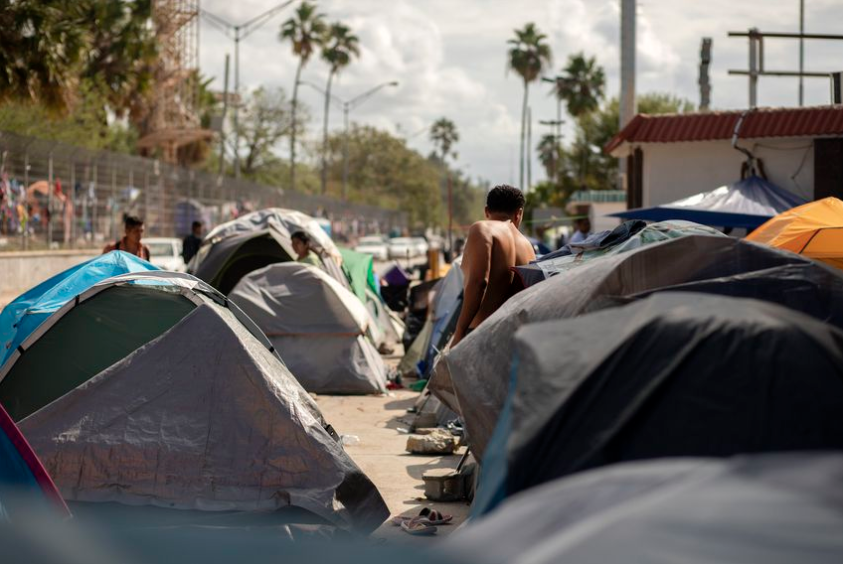
Many asylum seekers spend months or years waiting in Mexico due to U.S. policies.
Living Conditions:
Many asylum seekers face harsh and unstable living conditions while waiting for their cases to move forward. Overcrowded shelters, makeshift camps, and limited access to food, clean water, and sanitation are common. Daily life is marked by constant uncertainty, with people unsure where they will sleep, how they will eat, or how long they will remain in limbo.
Risks:
The journey and waiting period expose people to serious dangers. Violence, kidnapping, extortion, and exploitation are widespread, especially in border regions. Criminal groups and, at times, corrupt officials target migrants who have few protections and limited resources, making them extremely vulnerable to abuse.
Humanitarian Response:
Despite these risks, humanitarian organizations work to provide essential support. Groups like Doctors Without Borders offer medical care, emergency assistance, and help with shelter, aiming to reduce harm and meet basic needs for people living in unstable and unsafe conditions.
Real Stories of People Seeking Asylum
A 21-year-old Honduran Mother fled domestic abuse with her newborn and young daughter, ending up in a tent in Matamoros while trying to keep her children safe.
A Honduran father escaped after a gang threatened to kill him and his son unless the boy agreed to sell drugs.
A 19-year-old Nicaraguan student activist fled after friends were arrested or killed for protesting, becoming separated from her sister along the way.

Tell Me How It Ends
Valeria Luiselli’s Tell Me How It Ends offers a close look at the asylum process through the voices of children navigating the system. Built around the 40‑question intake form, the book shows how complex, painful stories are reduced to short answers on a government document. Many cases remain unresolved, reflecting the uncertainty that shapes the lives of asylum seekers across the country.
This helps readers understand that life beyond the border is shaped not only by the journey north, but by the systems migrants must face once they arrive.
More Information
For more information on the asylum process in the United States, visit...